
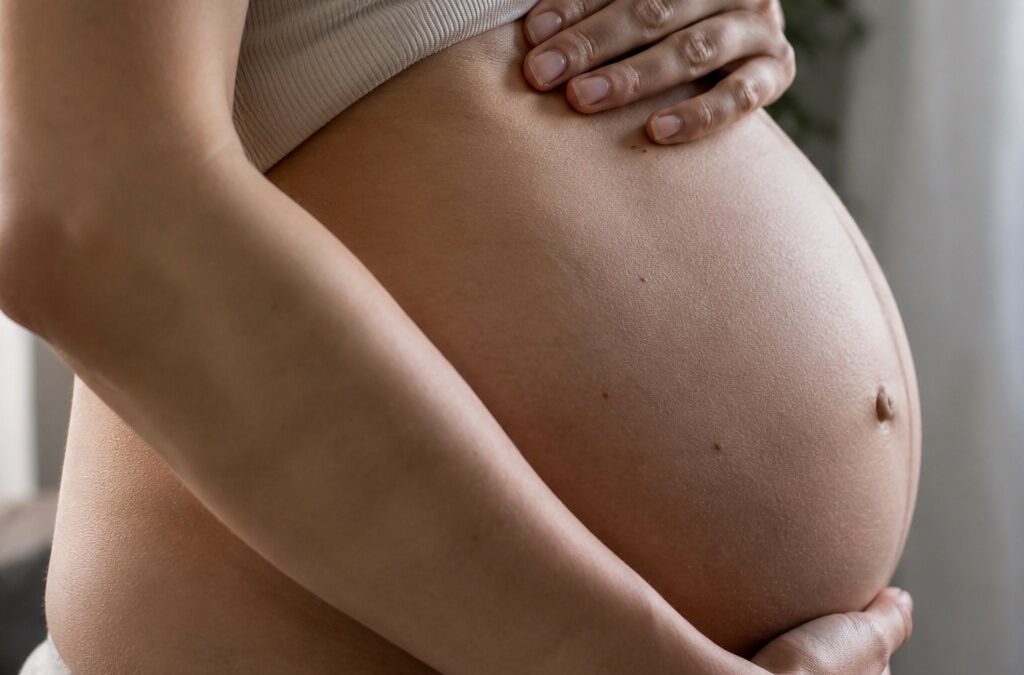
Epigenetics is a field of biology that studies changes in gene expression without altering the genetic sequence itself. In the context of fertility and egg donation, epigenetics has emerged as a key area for better understanding how certain factors, such as the environment and personal experiences, can influence embryo development and the long-term health of children born through assisted reproductive technologies.
Egg donation is a fertility treatment in which eggs from a donor are used to enable a woman to conceive. This procedure is an option for women who are unable to use their own eggs due to quality issues, advanced age or genetic conditions. However, the question that arises is: how does the fact that the eggs come from a donor affect the epigenetic aspects of the baby?
Epigenetics plays a crucial role because, although the child’s genetic material comes from the donor, the environment in which the embryo develops – which includes the recipient’s womb – can also influence the baby’s gene expression. Factors such as nutrition, stress, hormones and other environmental factors can alter the way genes are switched on or off during pregnancy, potentially affecting foetal development and health throughout life.
In summary, although the baby will usually bear a greater physical resemblance to the egg donor, environmental factors and epigenetics also play a role in the baby’s development. The emotional bond and the care provided by the recipient mother are not determined by genetics, but by the love and care she offers, which creates a unique and irreplaceable bond.
María Pombar Gómez
Embryologist
#assistedreproduction
#fertilitytreatment
#eggdonation
#IVF
#ICSI
#ivficsi
#fertility
#artificialinsemination
#manzaneraclinic
#eggdonation
#spermdonation
#gametedonation
#epigenetics